Eco Friendly Holidays: Why Sailing is a Greener Choice
Sustainable sailing · Eco travel
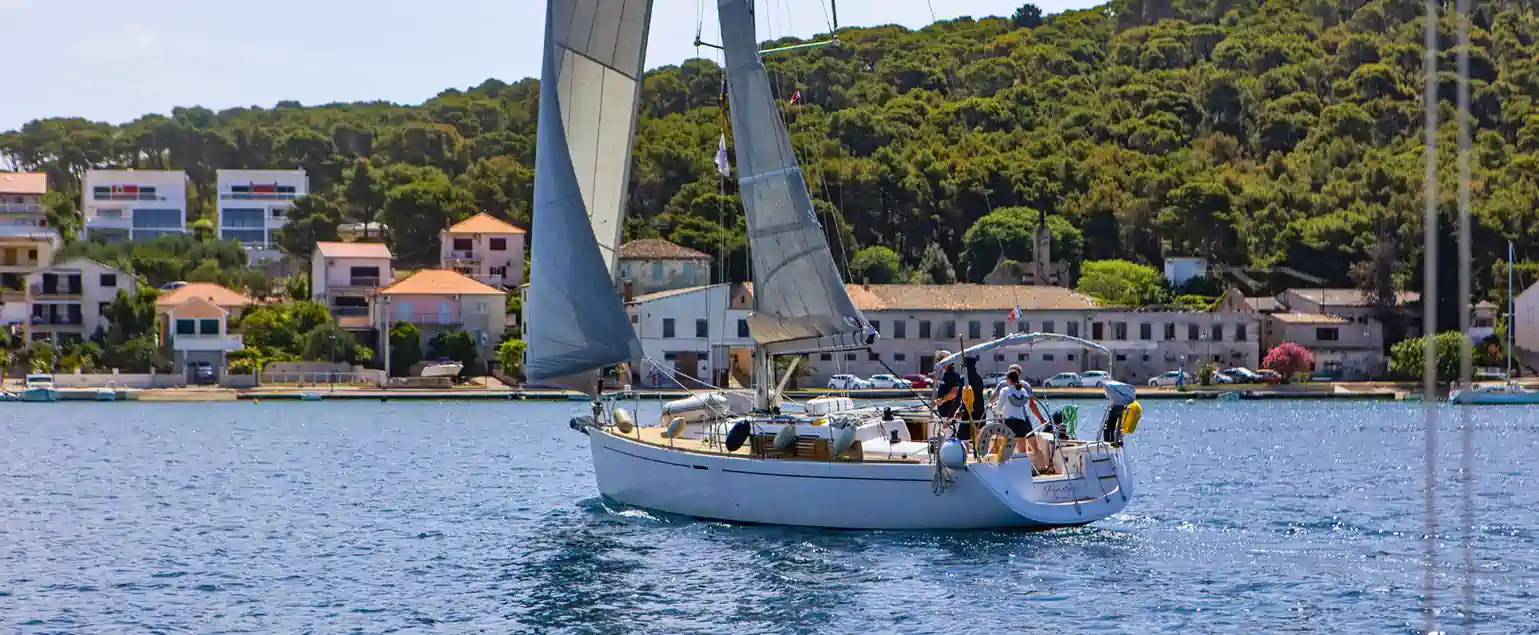
More of us want holidays that tread lightly, without giving up the sense of adventure. A sailing holiday is one of the simplest ways to do both: the wind does most of the work, groups stay small, and every stop puts money straight into local communities.
This guide explains why sailing is a greener choice, the easy habits that make the biggest difference on board and at anchor, and what we do at Seafarer to sail more lightly.
In short
Sailing makes for eco friendly holidays because a yacht is powered mainly by the wind, uses its engine only when needed, and carries a small group rather than thousands of passengers. You can lighten your impact further by sailing instead of motoring, anchoring on sand rather than seagrass, using mooring buoys, choosing reef-safe sun cream, and avoiding single-use plastic.
On this page
Why sailing
Why sailing is a greener way to travel
Compared with a large cruise ship or a busy resort, a sailing holiday keeps things simple. You travel under sail, live on board, and explore at the pace of the wind.
Powered by the wind
Your yacht moves under sail whenever the breeze allows, so the engine stays off for much of the day and you use far less fuel.
Small groups
A yacht carries a handful of people, not thousands, which means less noise, less waste, and no crowds at each stop.
Money stays local
You eat in family-run tavernas, shop at village markets, and pay harbour fees to small communities along the way.
Quieter places
Sailing takes you to small harbours and bays that big ships can’t reach, spreading visitors away from the busiest spots.
At anchor
Protecting the Mediterranean’s seagrass
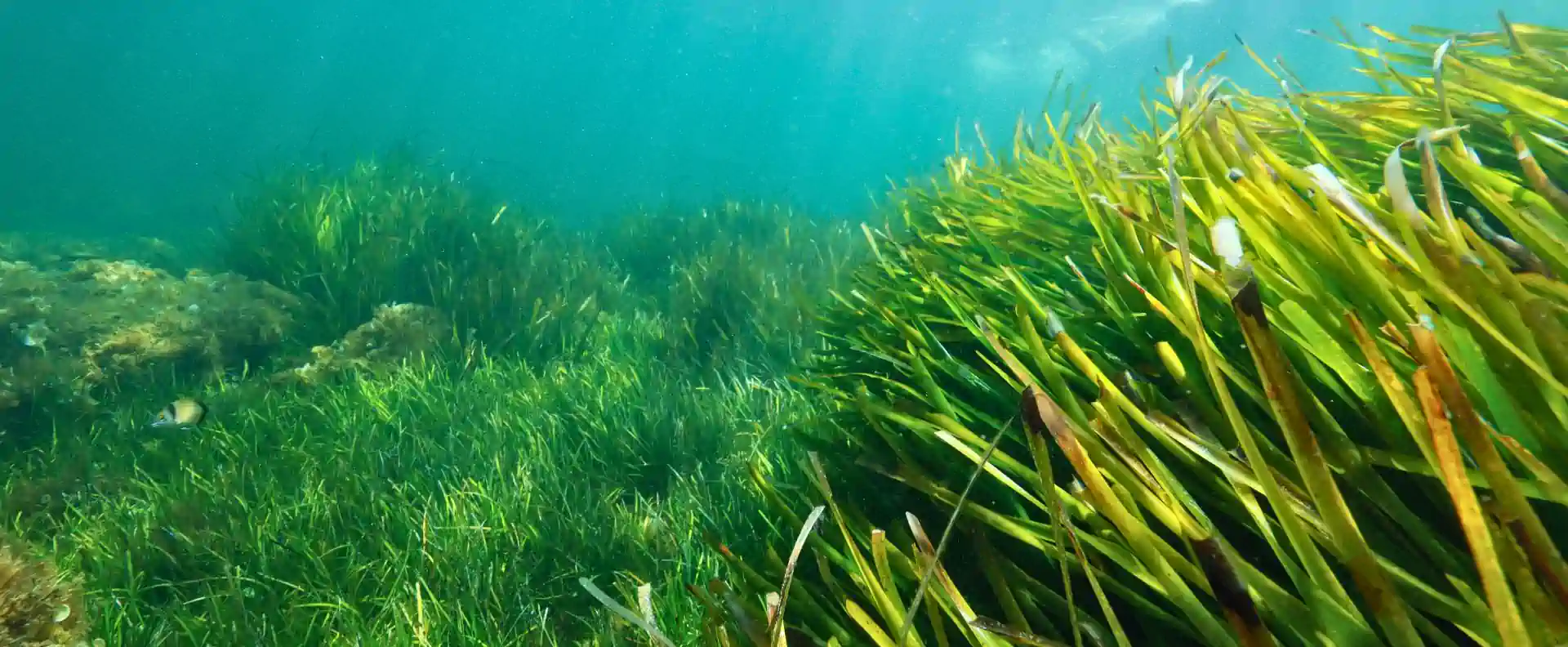
In the Mediterranean, the habitat that matters most to sailors is Posidonia seagrass. These underwater meadows shelter fish, keep the seabed stable, and help keep the water clear. An anchor dropped or dragged through a meadow can tear up years of growth in seconds.
Look before you drop
Seagrass shows up as dark patches from the surface. Aim for pale sand instead.
Use a mooring buoy
Where buoys are available, pick one up rather than anchoring at all.
Let out enough chain, then check
Good scope helps the anchor hold first time, so you don’t drag it across the seabed.
We made this safe anchoring video with our partners at Sustainable Sailing Greece, with one of our yachts and RYA instructors. For the full story, read our guide to Seafarer’s fight to save seagrass.
Safe anchoring, made with Sustainable Sailing Greece.
Small steps
Easy ways to sail more lightly
None of these takes much effort, and together they make a real difference to the bays you visit.
Under way
- Sail instead of motoring whenever the wind allows
- Plan short passages that suit the forecast
- Keep the engine for harbours and calms
On board
- Bring a reusable water bottle and shopping bags
- Say no to straws and other single-use plastic
- Use biodegradable soap and washing-up liquid
In the water
- Choose reef-safe sun cream
- Anchor on sand, never on seagrass
- Take all rubbish ashore to proper bins
Our approach
How Seafarer sails more sustainably
At Seafarer, we focus on holidays that use less fuel and leave a lighter footprint. Here’s what that means in practice.
- We encourage our crews and guests to sail rather than motor, keeping engine hours low.
- We’re working towards replacing petrol outboards on our tenders with electric ones.
- Our skippers anchor away from seagrass and use mooring buoys where they can.
- We promote reusable bottles and bags on board.
- We work with Sustainable Sailing Greece on anchoring guidance and seagrass protection.
Where to go
Where to sail for a greener holiday
The best eco friendly sailing areas have short hops between islands and reliable breezes, so you can sail most of the way and keep the engine off.
The Greek islands
Ionian and Aegean
Short passages, steady afternoon winds, and plenty of sandy bays make Greece ideal for low-fuel sailing.
Croatia
Split and the Dalmatian coast
Islands close together, sheltered channels, and lively harbours just a short sail apart.
British Virgin Islands
Caribbean · next flotilla from 13th February 2027
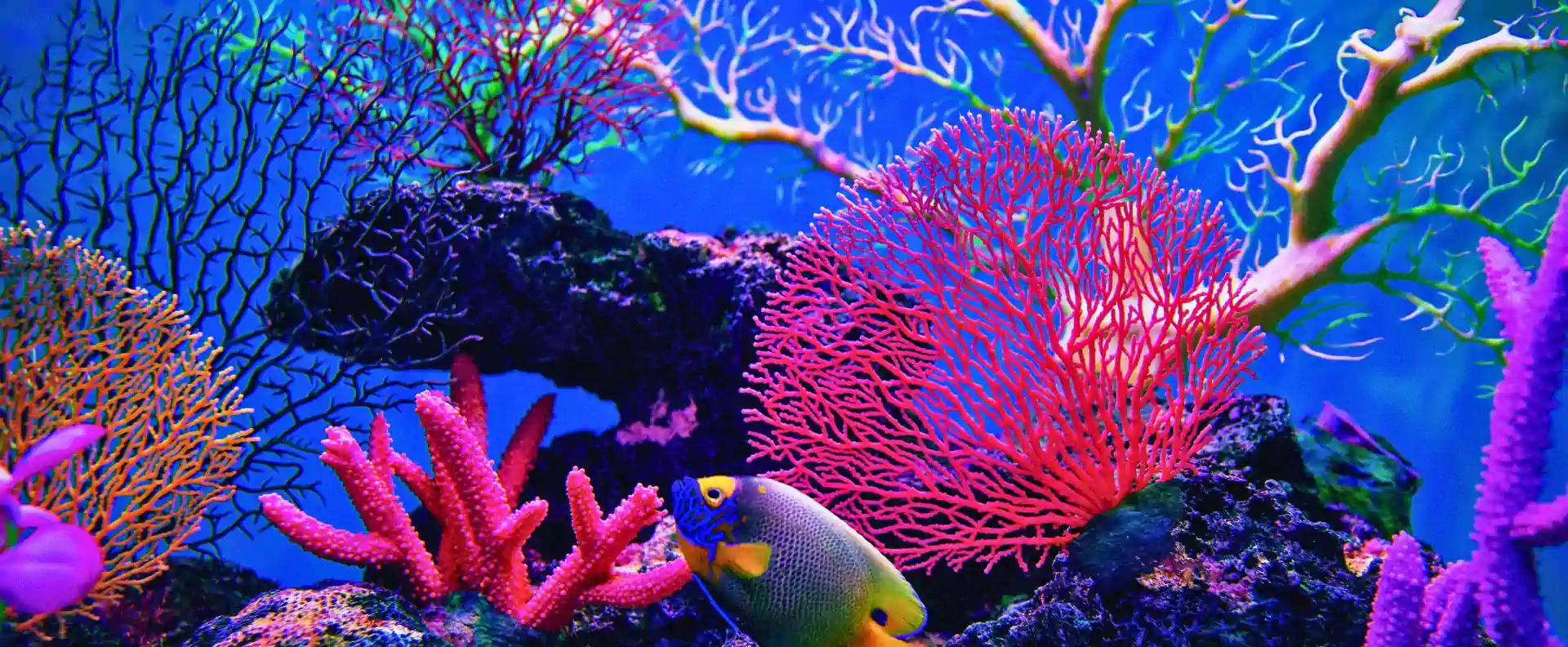
Steady trade winds and short island hops. Here, reef-safe sun cream helps protect the coral.
Go in the shoulder season
Sailing in spring or autumn means quieter harbours and less pressure on popular bays, and the sea is often at its warmest in autumn.
Prefer someone else to handle the anchoring? A skippered yacht charter puts an experienced skipper in charge who knows where to drop the hook.
Common questions
Eco friendly sailing holidays: your questions answered
Is a sailing holiday better for the environment than a cruise?
Generally, yes. A sailing yacht runs mainly on wind power and carries a small group, while a cruise ship burns fuel continuously and carries thousands of passengers.
Do sailing yachts use their engines?
Yes, mainly for leaving and entering harbour, and when there isn’t enough wind. The more you sail and the less you motor, the lighter your footprint.
Why does anchoring matter?
In the Mediterranean, anchors can tear up Posidonia seagrass meadows, which shelter marine life and take years to recover. Anchoring on sand or using a mooring buoy avoids the damage.
What sun cream should I take sailing?
Choose a reef-safe sun cream. It’s kinder to marine life everywhere you swim, and especially important around the coral reefs of the Caribbean.
Plan a greener holiday
Talk to us about your eco friendly sailing holiday
Tell us where and when you’d like to sail, and we’ll help you plan a holiday that feels right.
Call or email us
Monday to Friday 09:00 to 19:00 · Saturday 09:30 to 17:00

Book with confidence. Seafarer has run sailing holidays since 1995, and every payment you make to us is financially protected: ATOL licence 9511 for holidays with flights, ABTOT member 5660 for holidays without.