
Practical Yacht Charter Tips: Expert Advice for Safe Sailing
Sailing tips · Yacht charter
Start with part 1
This is part 2 of Chris’s guide. Read part 1, Yacht Charter Preparation: Top Tips to Avoid Problems and Save Money, for what to check on arrival, safety gear, engine care, and sail handling.
Sailing is an adventure, but good preparation makes all the difference. In our previous blog, I covered essential practical yacht charter tips for planning and navigating your trip. If you missed it, click here to read. Now, let’s dive deeper into advanced strategies to enhance your experience. From managing batteries to anchoring responsibly, these expert insights ensure smooth sailing and protect your deposit. Whether you’re a seasoned skipper or new to charters, these tips will help you avoid common pitfalls. Ready to refine your skills and enjoy a safer, more efficient yacht charter? Read on for advice that makes every moment on the water stress-free.
In short
The most useful yacht charter tips are about looking after the boat and your deposit: manage your batteries so they never run low, avoid towing the dinghy, anchor in sensible depths with enough chain, switch instruments off properly and cover them from the sun, plan every harbour manoeuvre with a ‘plan B’, and keep the yacht clean and tidy. If you’re new to chartering or a little rusty, a flotilla gives you the support of an experienced lead crew.
10–12m
the deepest Chris recommends anchoring
3–5×
the water depth in chain to lay out
1,000–1,500
engine revs in neutral to raise the anchor
2–3 hours
to drain service batteries with the fridge, fans, and instruments on
On this page
Power
Managing batteries efficiently
It is good Seamanship to actively manage your batteries and electricity consumption, a key aspect of yacht maintenance. Allowing the batteries to run down to a low level of charge can cause permanent damage. It can also significantly reduce battery life.
When sailing with the engine off, leaving your fridge running and cabin fans on can quickly drain your service batteries. Using instruments like autopilot and VHF at the same time further accelerates battery depletion. This challenge with managing yacht systems often occurs within two or three hours.
For this reason, it is recommended to switch off the fridge during extended periods of sailing. Alternatively, running the engine periodically can recharge your batteries efficiently, ensuring proper battery maintenance.
The tender
Dinghy care to avoid costly mistakes
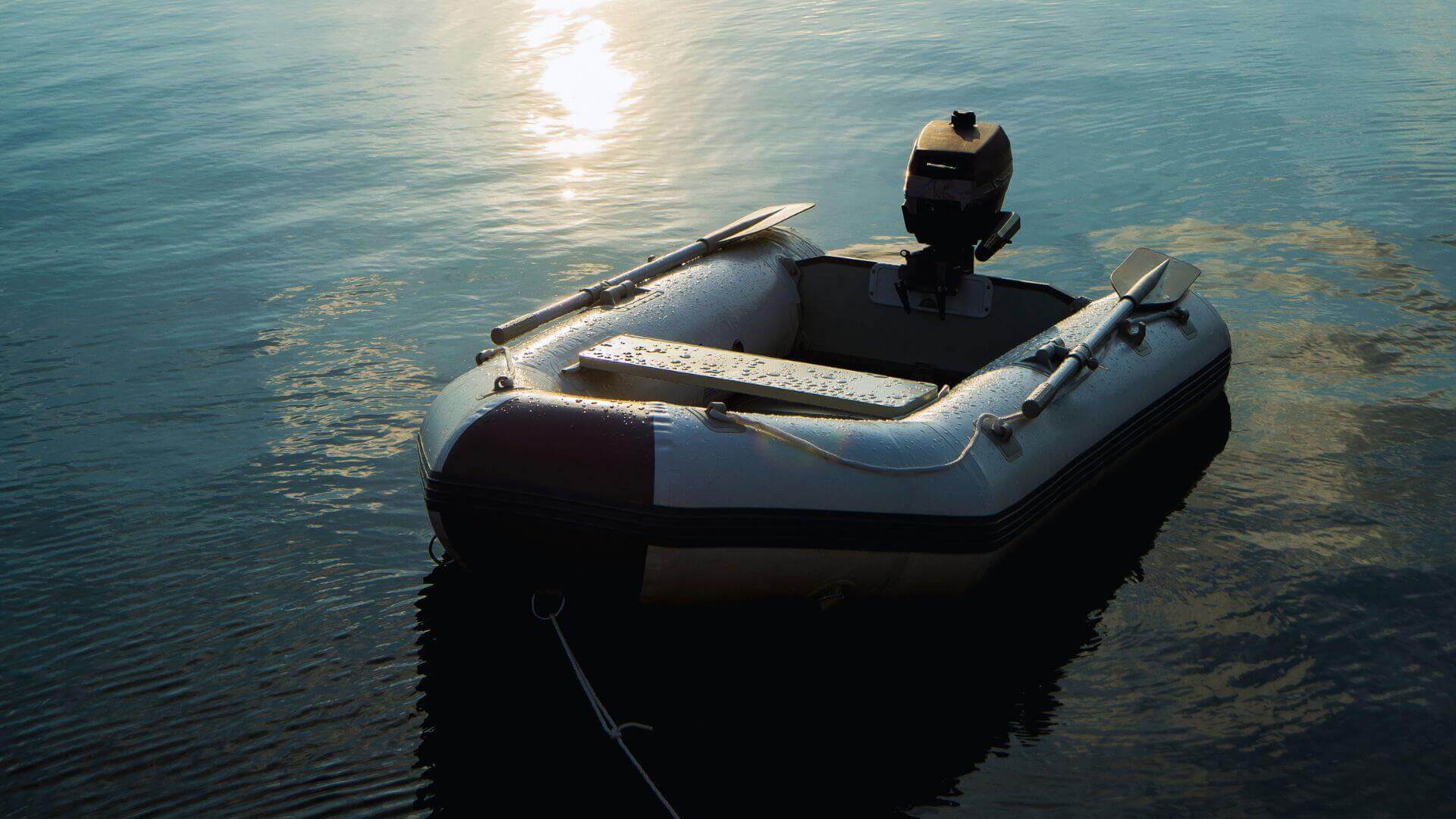
Towing an inflatable dinghy, except for short periods, is never a good idea. Towing it with the outboard still attached is even worse. Even in moderate seas, your dinghy is likely to flip, quickly fill with water, and sink.
This creates a potential hazard, especially for your prop. Additionally, towing the dinghy can cause damage, such as detaching cleats and painter rings. Losing a dinghy will likely cost you your entire security deposit. Yacht damage waivers may not cover dinghy loss in such cases.
If you find handling the dinghy difficult, a good tip is to use a spare halyard on a winch. This provides an easy way to raise and lower the dinghy. Following these practical yacht charter tips helps ensure a trouble-free yacht charter.
At anchor
Anchoring for safer sailing
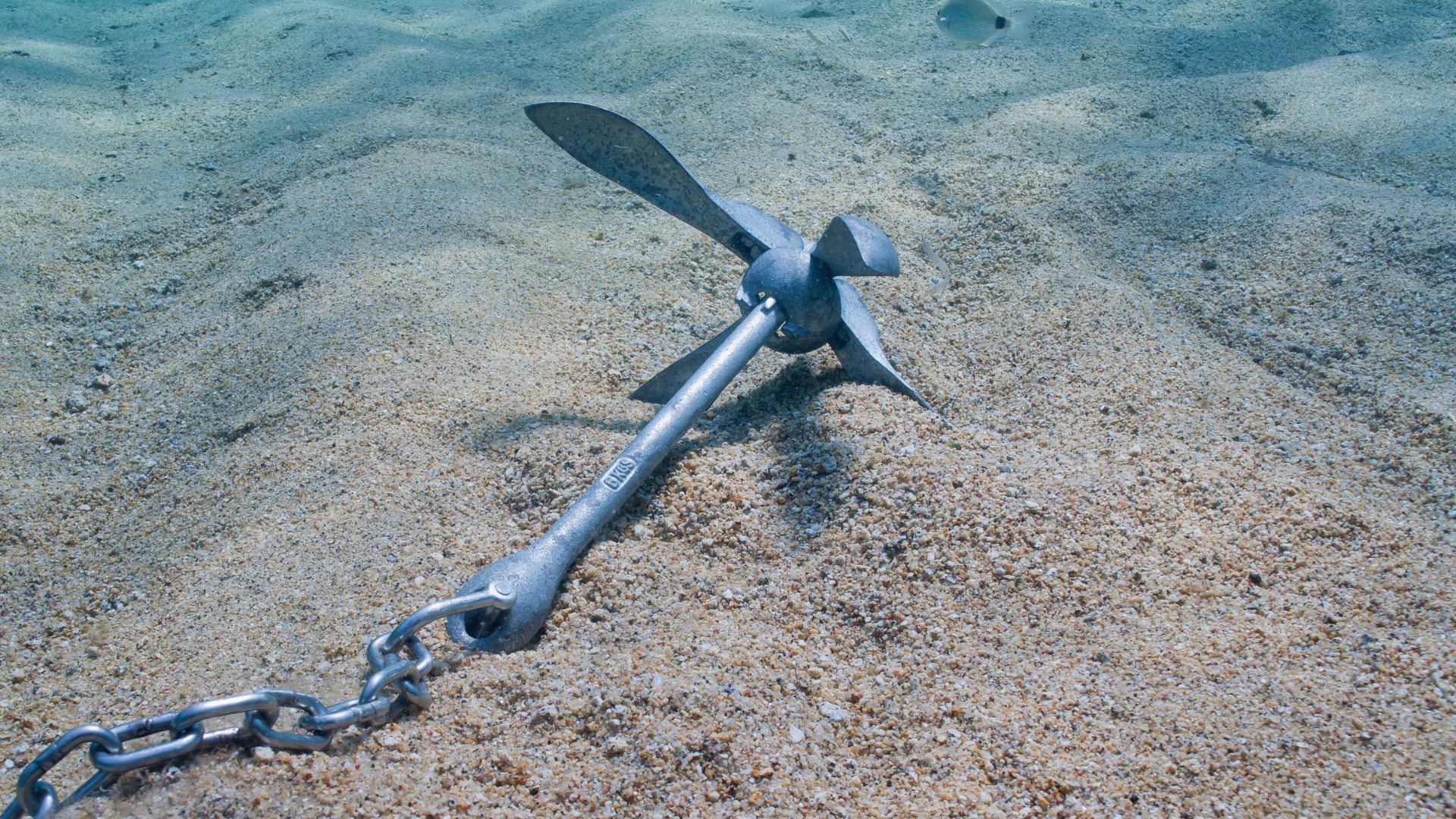
This is something that many of us sailing in the UK don’t do very often in our tidal waters. Indeed, I know of people completing skipper courses who haven’t anchored at all during their training.
Picking a good spot is always important. Often, your pilot book contains excellent information and advice about specific locations. I recommend never dropping your anchor in more than 10, or at most 12, metres of depth. The reason is that your electric windlass is unlikely to cope with deeper water. Additionally, if you were to foul your anchor, you need to consider how you would recover it.
Remember to lay chain at least three to five times the depth of the water. Anchoring in deep water means you’ll need a lot of chain. Raising the anchor places significant strain on your windlass and its associated wiring. I recommend running your engine at 1000 to 1500 revs in neutral to generate enough electrical charge for the windlass.
Keep an eye on the chain as you bring it on board. Try to keep it vertically below the bow roller to minimise strain. This requires good communication between the anchor person and whoever is on the helm to maintain the yacht’s position. Avoid going over your anchor or pulling it in the opposite direction. Doing so could drag it along the seabed and potentially foul it on obstacles.
At Seafarer, we are also very conscious of the damage anchoring can do to the ecosystem. Using eco-friendly anchoring practices ensures minimal impact on the environment (see video).
How to anchor near seagrass (4:22)
Electronics
Instrument care
I recommend switching instruments on and off using the unit itself rather than relying only on the panel. You wouldn’t switch your laptop off at the electrical socket, so think of instruments as mini computers.
Once all instruments are off, switch off the panel to complete the process. Cover the instruments when not in use to prevent UV damage. The Mediterranean sun can quickly ruin screens, leaving them unreadable. Covering your instruments at the end of the day is one of the most essential practical yacht charter tips for protecting your equipment.
If you’re using the autopilot, make sure your crew is aware. Forcing the wheel while the autopilot is engaged can easily damage the unit. During rough conditions or when under sail, avoid using the autopilot for extended periods. Autopilots are also notoriously unreliable when sailing downwind, so use them cautiously in these situations
In harbour
Manoeuvring in crowded harbours
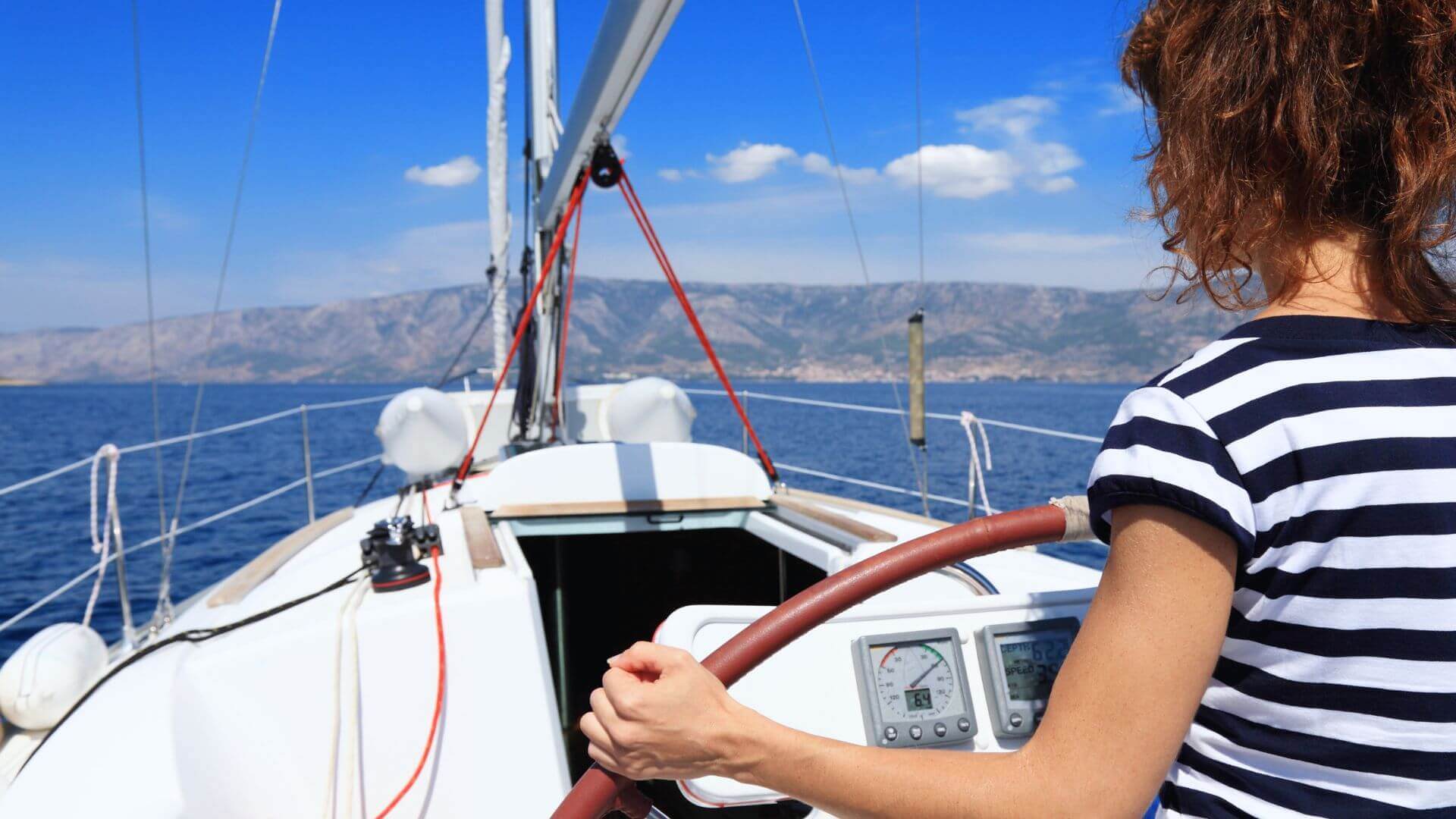
This is the time when you’re most likely to come unstuck and cause damage. Navigating tight and crowded harbours requires careful preparation.
Planning the exercise in advance is essential. Consult the charts, pilot book, and GPS plotter as part of your yacht manoeuvring practice. Be aware of pre-existing hazards, shallows, and other obstructions in the area. Always keep a lookout for what’s happening around you, including traffic entering or leaving the harbour.
When approaching a berth, make sure your crew is fully prepared. Deploy fenders, ready the mooring lines, and assign someone as a roving fender. These mooring tips ensure a smoother and safer docking experience. In tight spaces, always have a ‘plan B.’ Prepare an escape route to use in case things go wrong or the unexpected occurs.
Take it slow. It’s often better to reverse into a berth than to expect to reverse out in an emergency. By reversing in, you ensure steerage and can quickly take control if you need to abort the manoeuvre. Incorporating these practical yacht charter tips into your approach ensures safe and efficient harbour navigation.
On board
Good housekeeping for clean sailing
We all know the rules about avoiding paper in the heads compartment, but there’s more to consider. Always remember to empty holding tanks whenever you’re in open water, especially on the last day of your trip. Following proper holding tank maintenance practices helps avoid unpleasant issues onboard.
Top up fresh water tanks at every opportunity to ensure you don’t run out unexpectedly. If you use cooking utensils and dishes, it’s standard practice to wash them up afterwards. Proper yacht housekeeping also includes removing rubbish and disposing of it responsibly. Incorporating these practical yacht charter tips keeps your yacht clean and running smoothly.
A final word
Why these tips make every trip better
As a final word, if you are an inexperienced or rusty sailor, consider booking a flotilla for your trip. Nervous about sailing in unfamiliar waters? A flotilla provides the guidance of an experienced and knowledgeable lead crew for a modest premium.
It’s comforting to know that someone is looking out for you during crucial moments, such as arriving at or leaving a harbour. Knowing you have a reserved mooring space can also be incredibly helpful. The lead yacht crew keeps you informed about the best places to visit and where to avoid.
With all this support, you still retain your privacy and freedom throughout the charter. It’s reassuring to know help is there if you need it. Incorporating these practical yacht charter tips ensures a smoother and more enjoyable sailing experience.
Happy Sailing!
Chris Lorenzo, Managing Director
Plan your charter
Put these tips into practice
Yacht charter
Skipper your own yacht
Charter a yacht from our bases in Greece, Croatia, the Caribbean, and beyond.
Flotilla holidays
Sail with lead crew support
Skipper your own yacht with an experienced lead crew close by, from £1,684 per yacht a week on our Lefkas flotilla.
Caribbean winter charters
Winter sun sailing
Why winter is the best time to charter in the Caribbean, and where to sail.
Common questions
Yacht charter tips: your questions answered
What are the most important yacht charter tips?
Look after the batteries, avoid towing the dinghy, anchor in sensible depths with plenty of chain, switch instruments off at the unit and cover them, plan every harbour manoeuvre with a ‘plan B’, and keep the yacht clean and tidy.
How deep should I anchor on a charter yacht?
Chris recommends never dropping the anchor in more than 10, or at most 12, metres of depth, as the electric windlass is unlikely to cope with deeper water. Lay chain at least three to five times the depth of the water.
Should I tow the dinghy behind the yacht?
Only for short periods, and never with the outboard attached. Losing a dinghy will likely cost you your security deposit, so lift it on board using a spare halyard on a winch.
Is a flotilla a good idea for my first charter?
Yes. If you’re inexperienced or a little rusty, a flotilla gives you the support of an experienced lead crew, help arriving at and leaving harbour, and a reserved mooring space, while you keep the freedom of your own yacht.
Ready to sail?
Plan your next yacht charter
Tell us when you’d like to sail and who’s coming, and our team will help you choose the right charter or flotilla.
Call or email us
Monday to Friday 09:00 to 19:00 · Saturday 09:30 to 17:00


Book with confidence. Seafarer has run sailing holidays since 1995, and every payment you make to us is financially protected: ATOL licence 9511 for holidays with flights, ABTOT member 5660 for holidays without.